
Your cart
There are no more items in your cart
Configure your shade sail online
Design, shape, fabric. Ready in 5 days.
Learn more

This guide will walk you through the step-by-step process of designing and installing your custom motorized roll-up shade sail, ensuring a stylish and functional outdoor covering.
To guarantee a flawless result, we have simplified the configuration and installation process by dividing it into two separate PHASES. Each PHASE consists of multiple STEPS, and will correspond to a separate order. The materials will be delivered in two shipments:
This approach allows you to install the anchors before finalizing the exact sail measurements, ensuring a precise and error-free installation.

With the first order, you will receive all the anchors and necessary mounting materials, enabling you to install the support points before confirming the final sail dimensions.
Your PHASE 1 package will include:
By splitting the process into two PHASES, each with its own STEPS, you can securely install the supporting structure and verify every detail before your custom shade sail is produced.
During this initial phase, you will be asked to provide all the necessary information for the configuration of your motorized roll-up shade sail. The configuration consists of five steps, in which you will choose:
Below, we analyze each phase with practical examples.
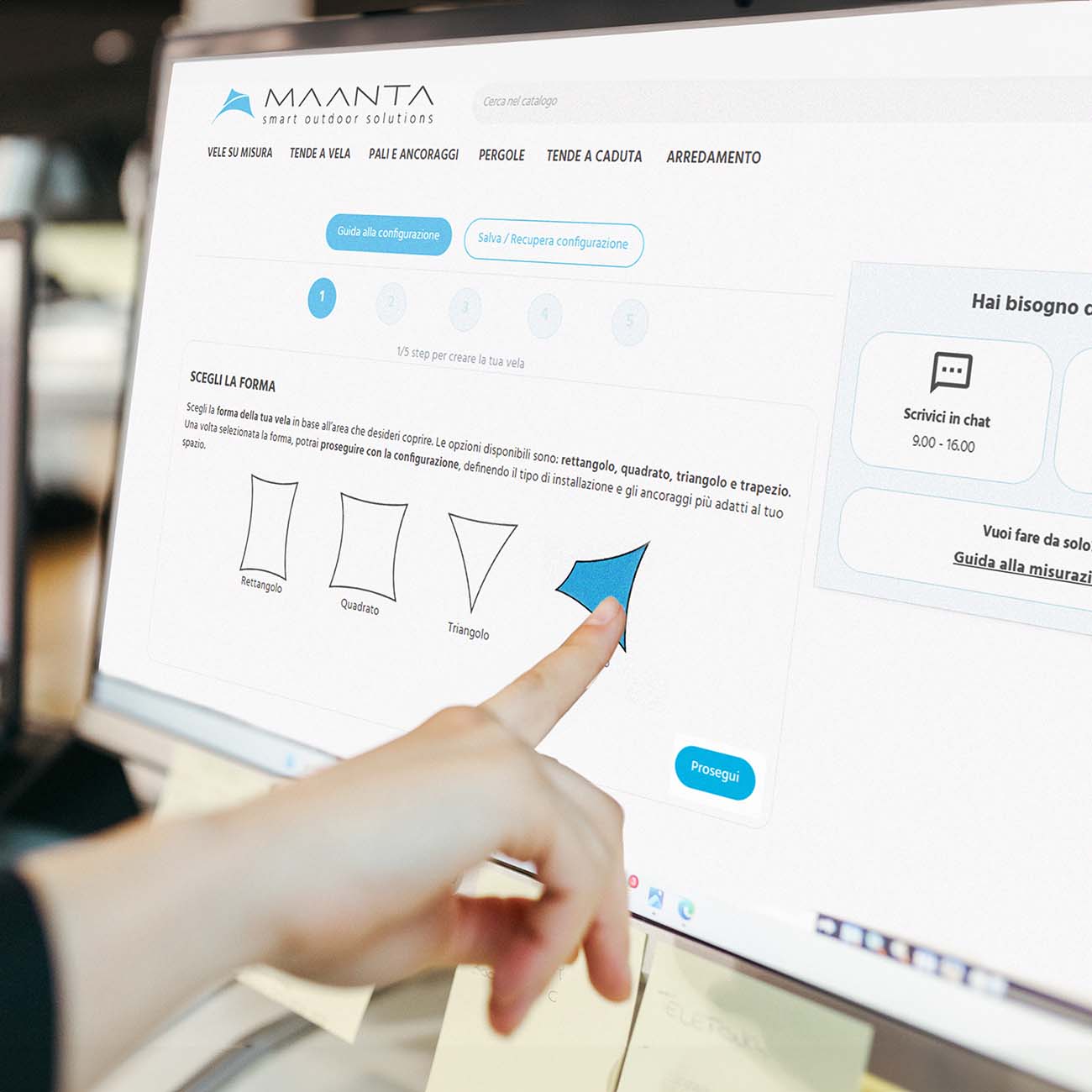
The first step is selecting the shape of your sail. The following options are available:
Example: If you want to cover a rectangular patio measuring 13' x 16', the best option would be a rectangular sail.
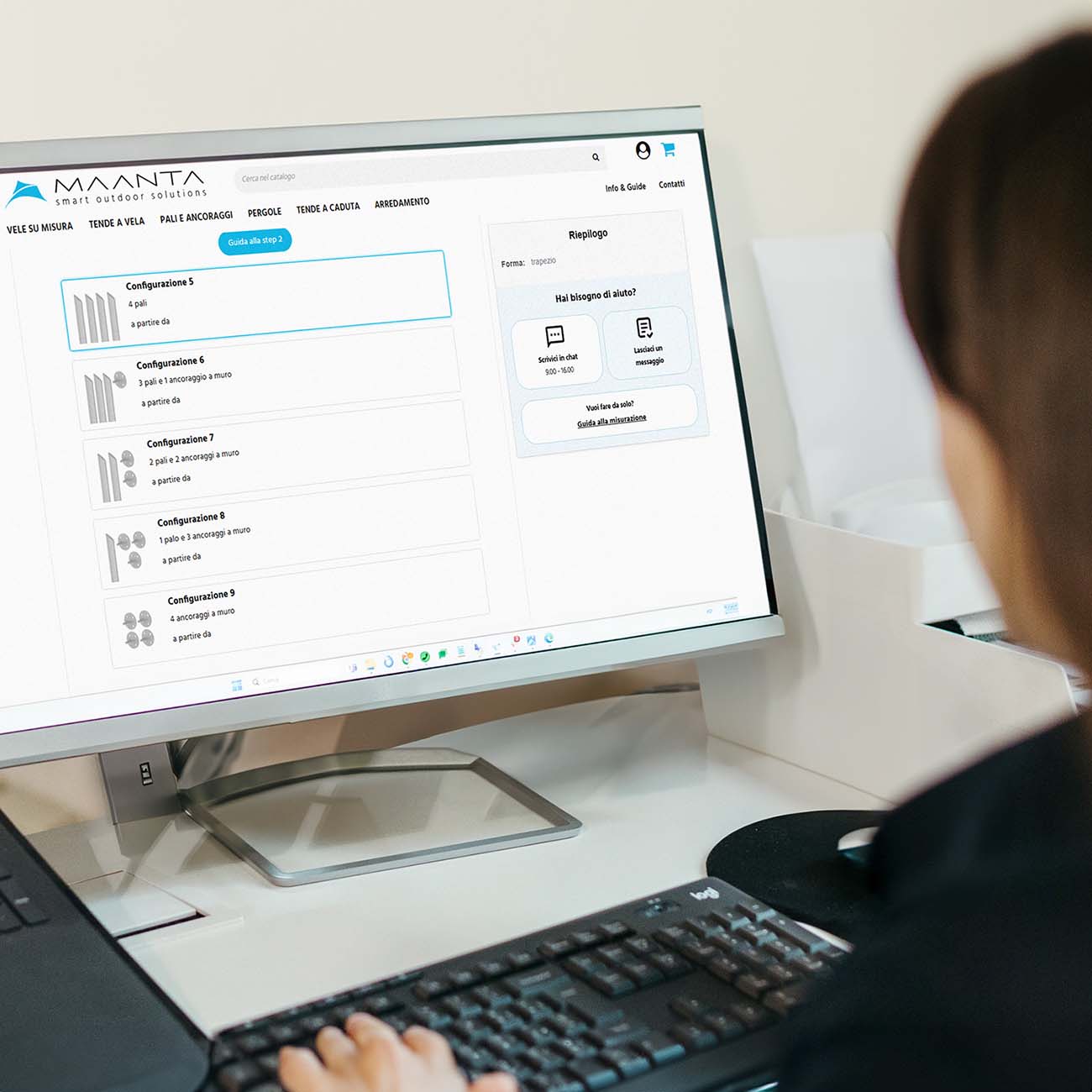
Here, you will determine how the sail will be mounted. The available options depend on the shape you selected and include mounting to poles and/or walls.
Example: If you choose a triangular sail, you will need to decide how to fix the three corners:
The system will display the available configurations for each option.
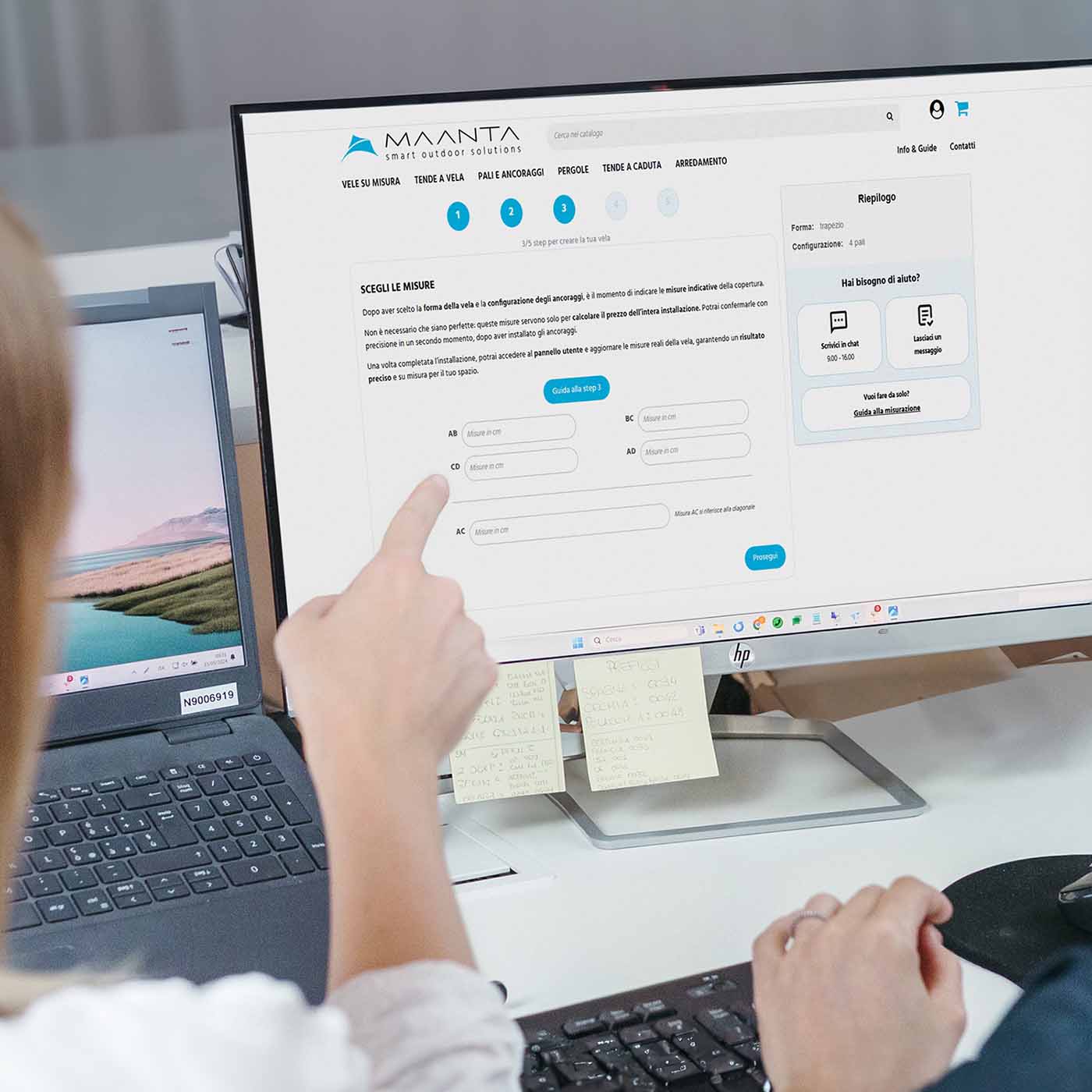
At this stage, you must input the measurements between anchors (from pole to wall, pole to pole, etc.). The system will automatically calculate the optimal sail size, taking into account the necessary tensioning.
Example: If you have a distance of 14' 9" between two wall-mounted anchors, the system will calculate a slightly smaller sail to allow for proper tensioning.
Important note: The measurements will be finalized in PHASE 2, once the anchors are installed.
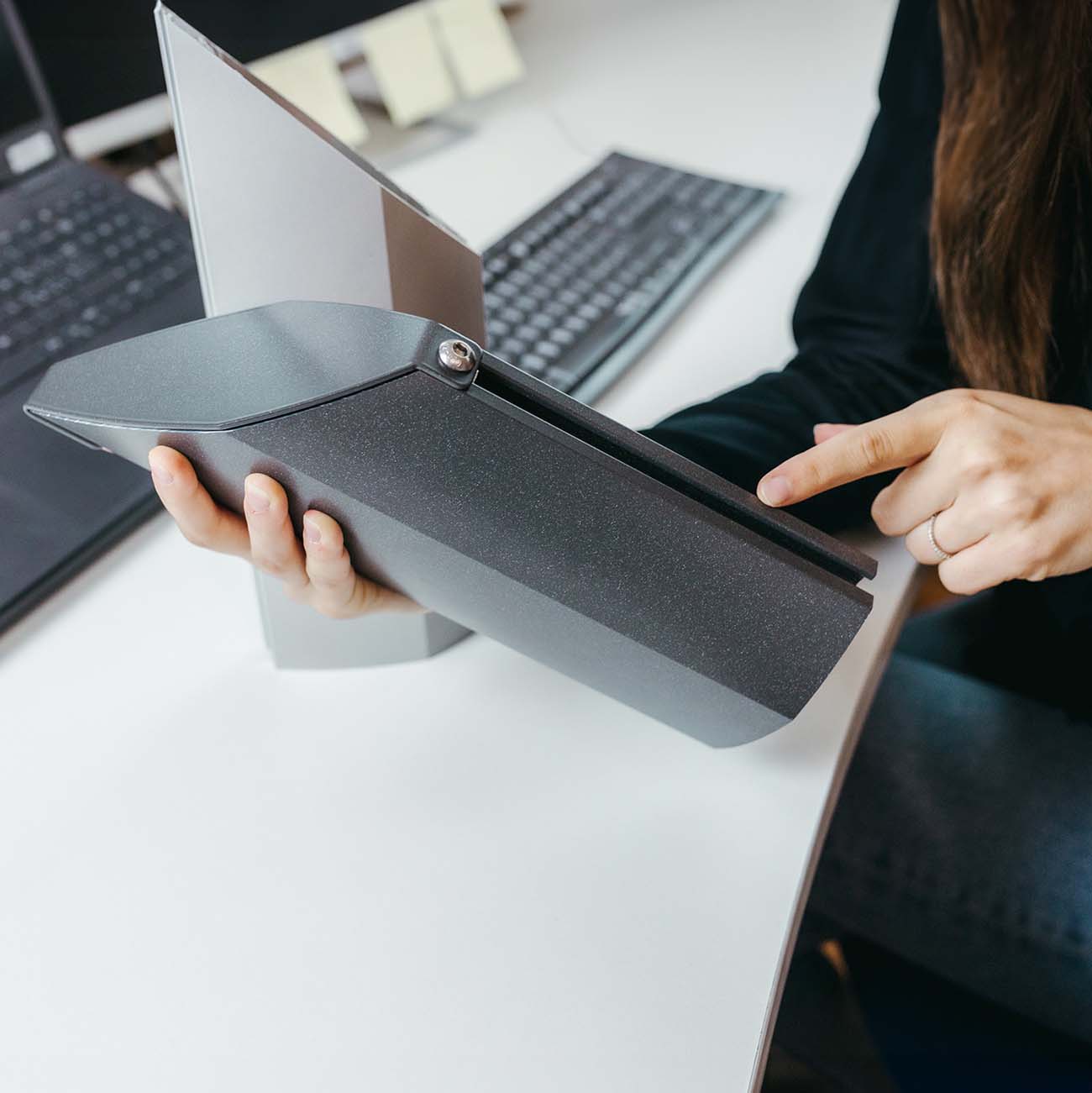
Here, you will select the mounting points and their type. Available options include:
Each pole is available in three finishes:
Example: If you have a structural wall and want a sail with two corners fixed to the wall and one 75° inclined pole, you should select:
There are two types of shade fabrics available:
Each fabric is available in multiple colors.
Example: If you prefer a warm and natural look, you might choose the waterproof Purishade® in beige.
Important: At the end of PHASE 1, along with the anchors, you will receive a fabric sample kit. This will allow you to see the material and color in person before making a final selection in PHASE 2.
Flexibility: Fabric and color choices can be modified in PHASE 2 at no additional cost.
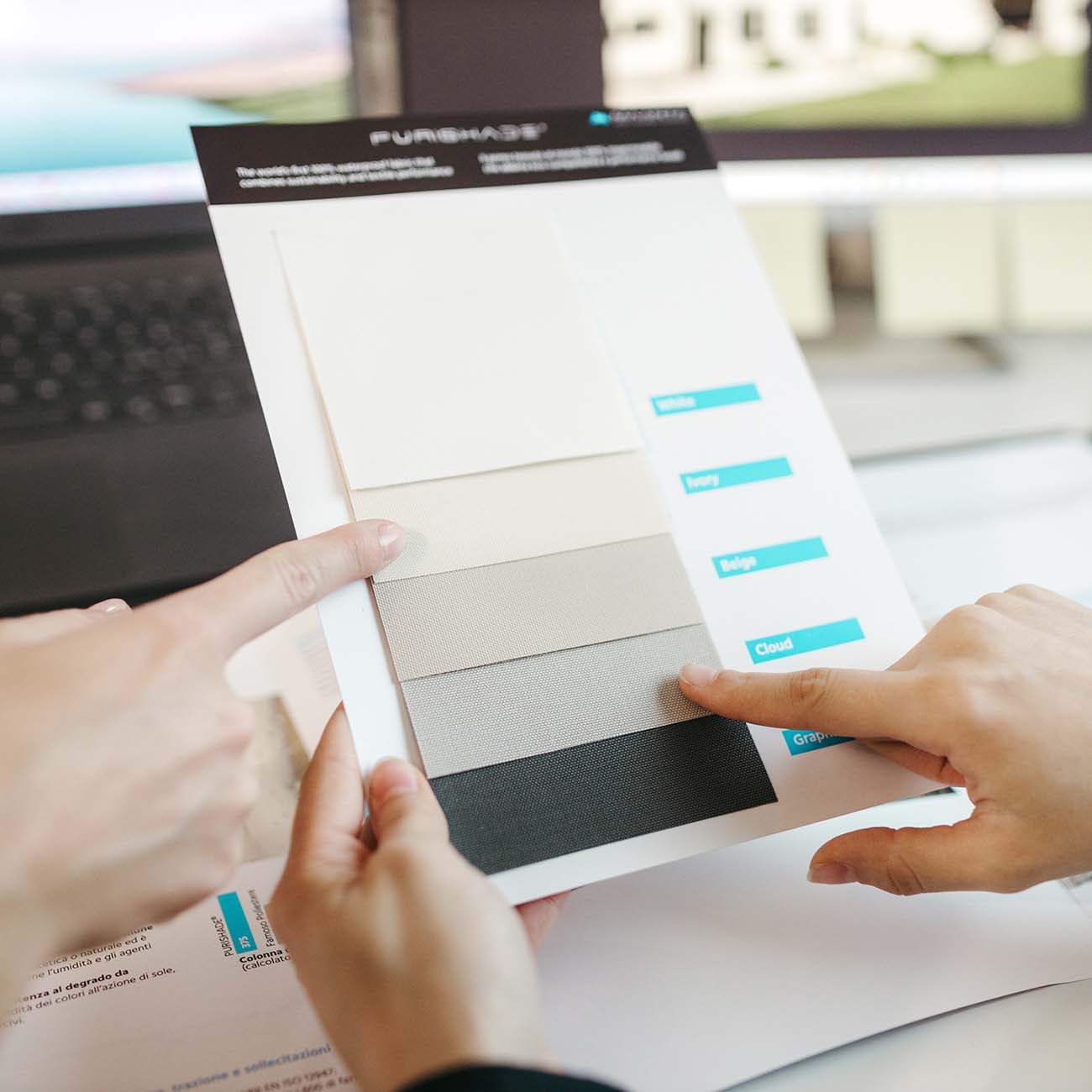
PHASE 1 allows you to prepare the entire structure by receiving and installing the anchors before finalizing the sail. Once this phase is complete, you can move on to PHASE 2, where you will confirm the final sail dimensions and proceed with the second order for production and shipment of your motorized shade sail.
After installing the anchors received in PHASE 1, it will be time to complete your motorized retractable shade sail. This second PHASE allows you to confirm the final measurements, select the fabric, and proceed with the purchase of your custom sail.
Thanks to this division into TWO PHASES, you can install the supporting structure with confidence and verify every detail before your custom sail is produced.
IMPORTANT: Be sure to measure the anchor points accurately, keeping the measuring tape stretched and recording measurements from the center of the anchor hole for precise results.
What You’ll Receive in PHASE 2
With the second order, you will receive the shade sail with its rolling system, motor, solar panel, anemometer, and additional accessories.
Specifically, the PHASE 2 package will include:
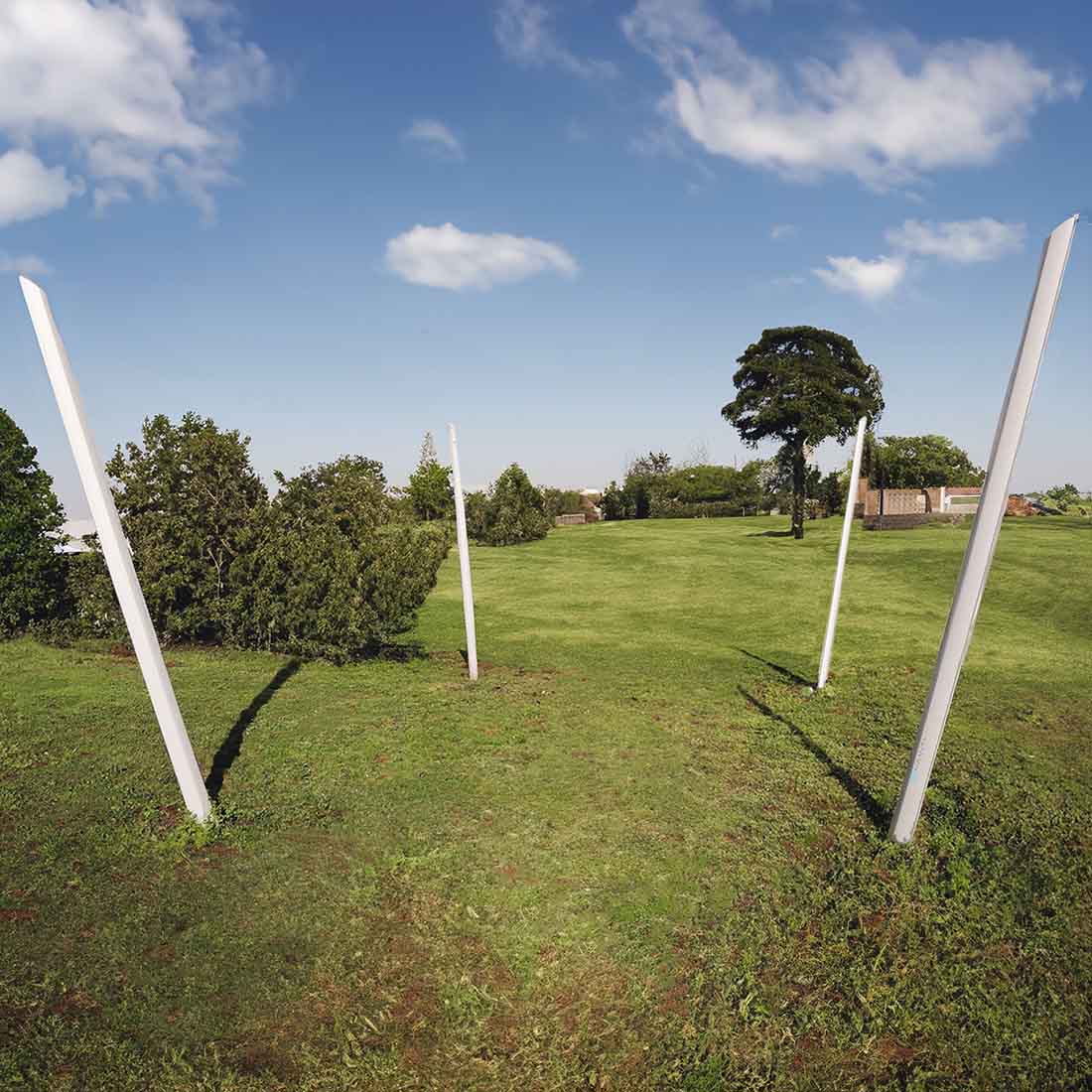
1. Accurate Measurement of Distances Between Anchors
Now that the anchors are installed, you can precisely measure the distances between each mounting point.
Using the measuring tape provided in PHASE 1, you can record the actual distances to ensure the sail fits your setup perfectly.
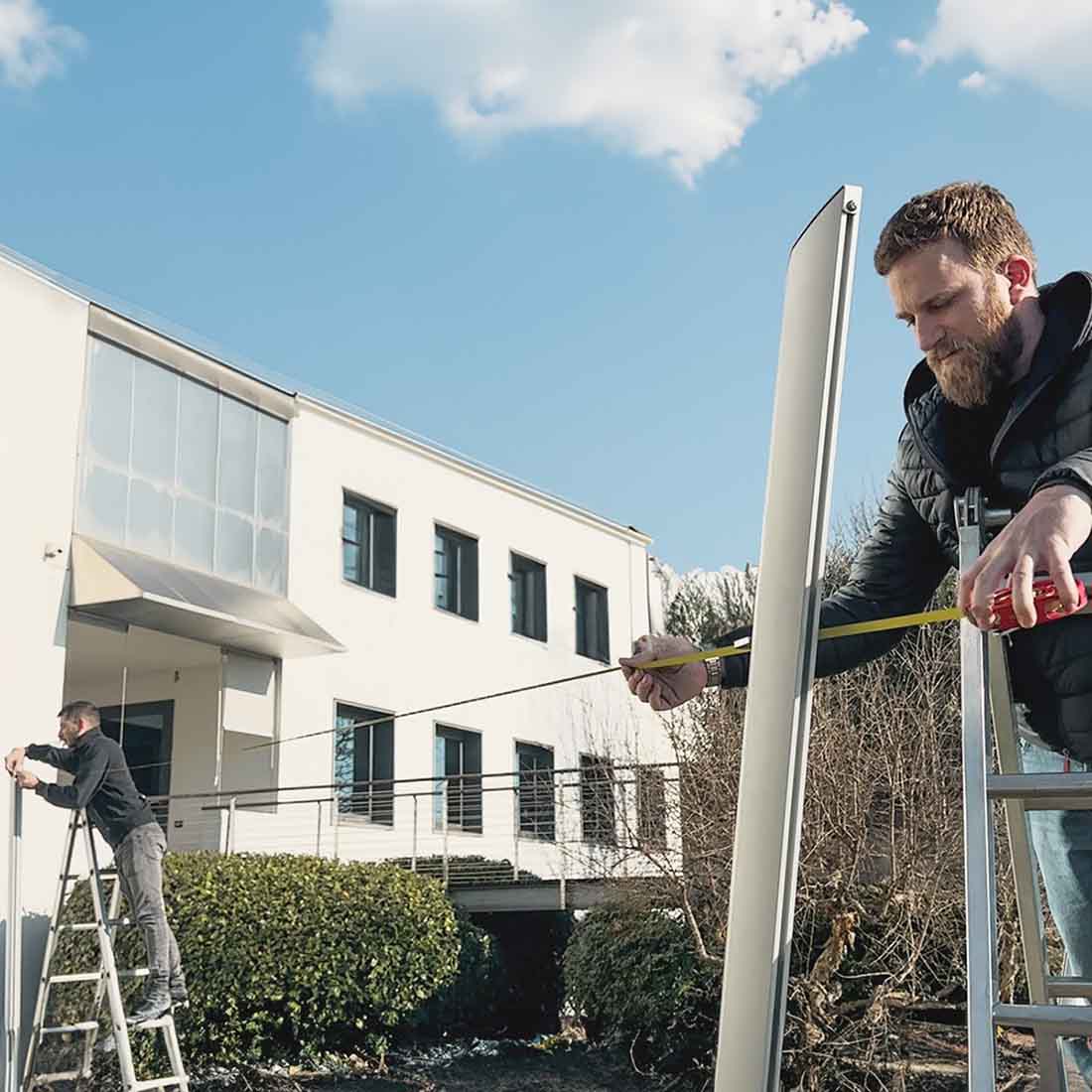
2. Access Your User Panel and Confirm Configuration
After your first order (PHASE 1), you will receive an email with a detailed guide to assist you step by step for anchors installation.
The same email will include a direct link to complete PHASE 2.
By logging into your user panel, you can review your configuration and make confirmations or adjustments as needed.

3. Ability to Modify Measurements and Fabric
If your actual measurements differ from those entered in PHASE 1, you can easily update them in your user panel.
You will also have the option to finalize your choice of fabric and color, having had the opportunity to review the samples received in PHASE 1.

4. Automatic Price Calculation and Final Payment
Remember, changing the fabric or color will not affect the price!
If you update the measurements, the system will automatically recalculate the shade sail’s price based on the actual dimensions. This ensures you pay only for what you receive.

5. Fast Production and Delivery
Once your order is completed, your custom shade sail will go into production immediately.
Delivery will take place within 4-5 business days, allowing you to install your shade system quickly.

This two-phase process allows you to install the anchors before confirming the final sail dimensions, eliminating any margin for error. This ensures a precise and custom fit, assuring an optimal result.
If you have any further questions, feel free to contact us via the dedicated form available here.
While configuring your motorized roll-up sail, you have the option to pause the process at any time. You can save your choices and resume later without losing any details. When you save your configuration, you will receive a unique code that allows you to reload it later. This gives you the opportunity to take more precise measurements or make further considerations.
If needed, you can share your configuration via email or SMS. With this feature, the recipient of the link will be able to see your exact choices, including measurements, anchor points, fabric, and selected color. This way, you can get advice or discuss it with others before placing your order.
Please note that by sharing the configuration, the person receiving the code will be able to modify it.
If you have any questions or need assistance, our team is available through real-time chat during business hours. One of our experts will guide you through the configuration process, answering any technical or installation-related questions.
Outside of support hours, you can leave a message directly in the chat. We will get back to you as soon as possible, ensuring you receive the assistance you need without having to start over. We’re here to provide you with a smooth, clear experience without any unexpected issues!
This feature allows you to save your configuration and retrieve it later.
Every space is unique and requires an almost custom solution.
With the configurations available in this step, you can choose the anchors based on the features of your outdoor space.
Depending on your existing structure, you can select from different anchoring options with poles and wall plates.
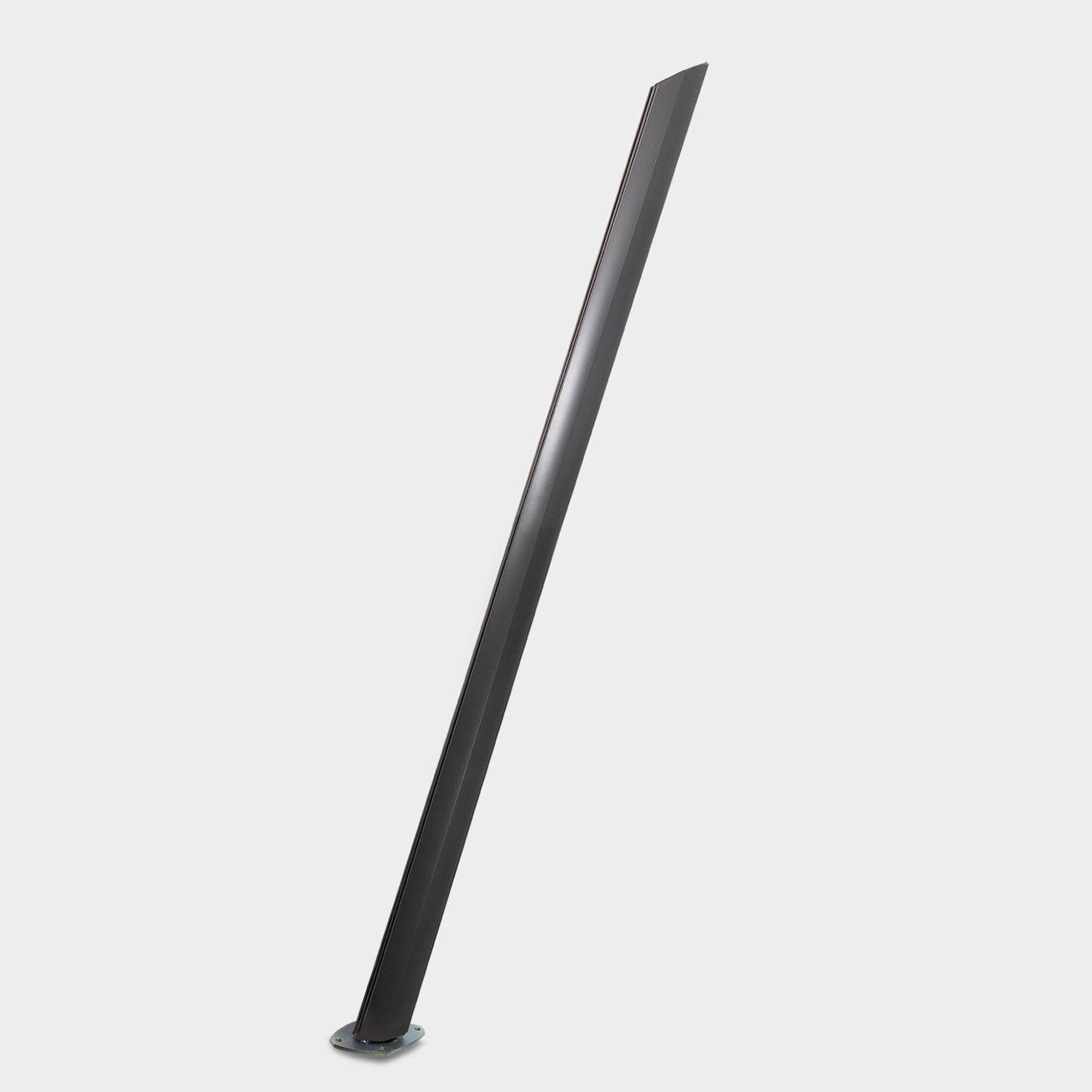
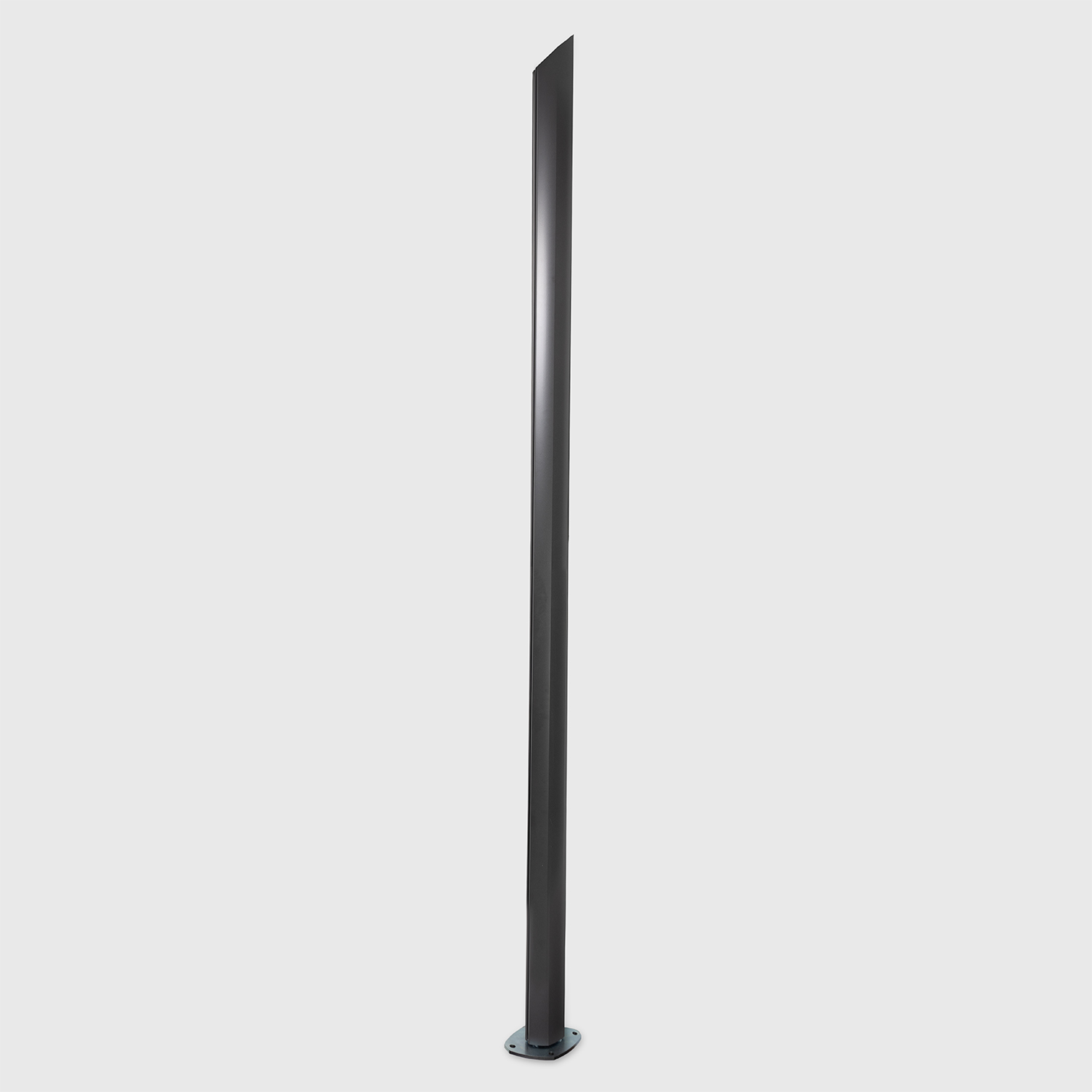
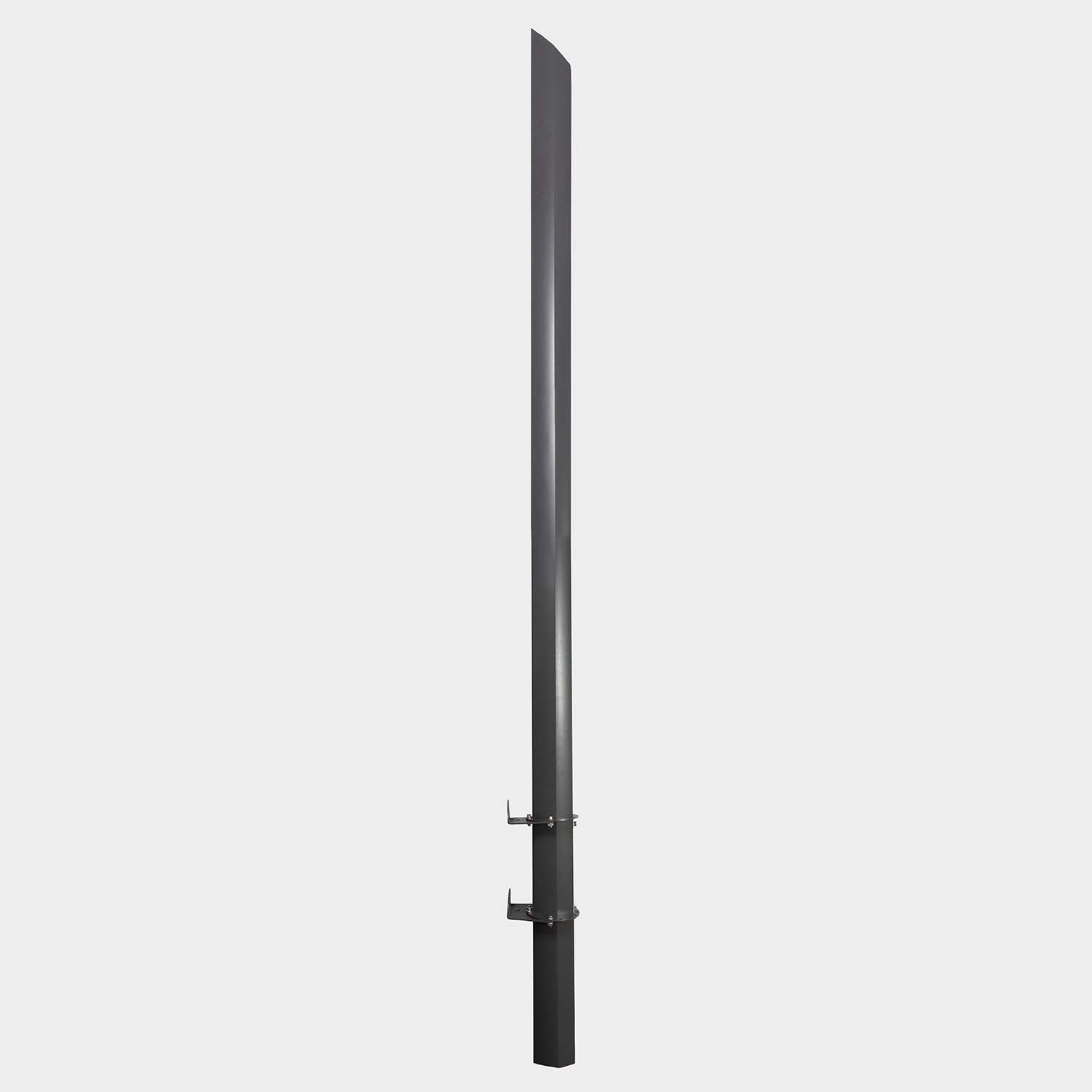
These poles are made of powder-coated aluminum, resistant to harsh weather conditions and corrosion. They are available with inclinations of 75°, 90°, or with a wall collar.
These are made of stainless steel, the same material used in marine applications to withstand the most challenging weather conditions. The plates combine functionality with Maanta’s unique yet minimalist design, ensuring a seamless installation.
They are perfect for those with solid walls to anchor the sail.
There are two types of plates: one for securing the sail’s corner and another for mounting the roller system.
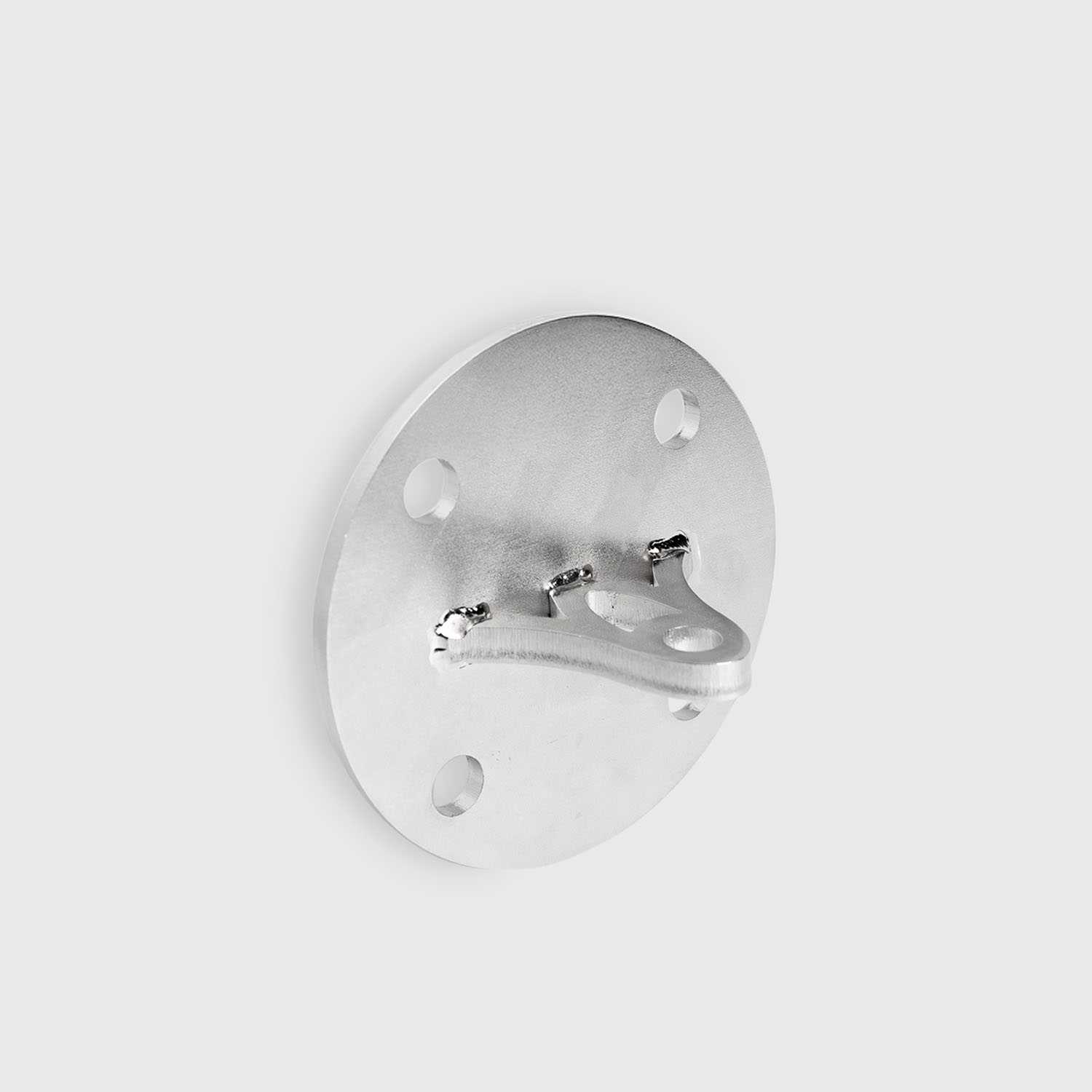
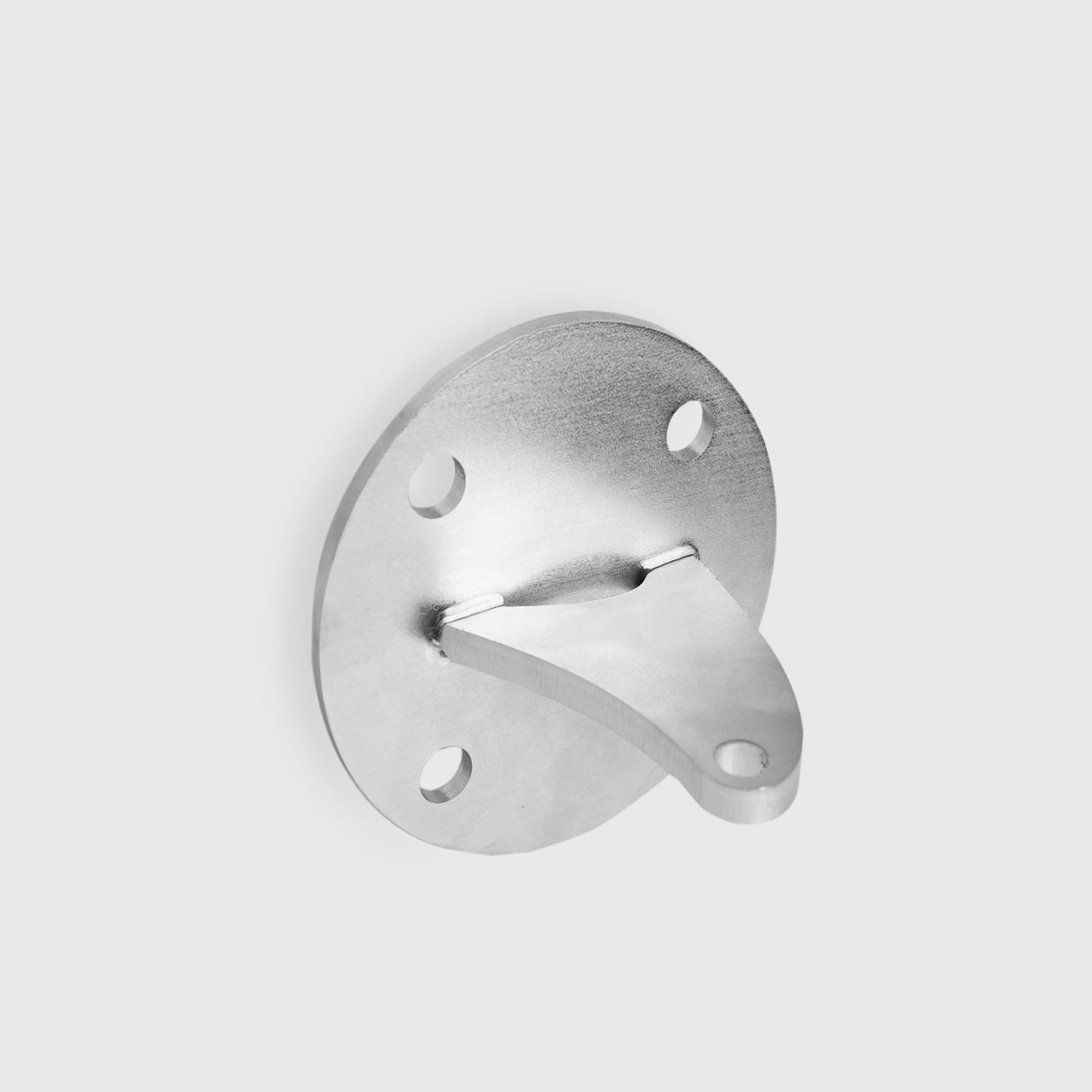
You can select the wall plate in Step 4 of the configurator.
Depending on the selected shape, there are 4 to 5 configuration options.
For example, if you choose a triangular sail, you can decide whether to use three wall plates, one pole with two plates, or two poles with one plate.
Below are the available combinations, illustrated with graphics.
Triangular Sail:
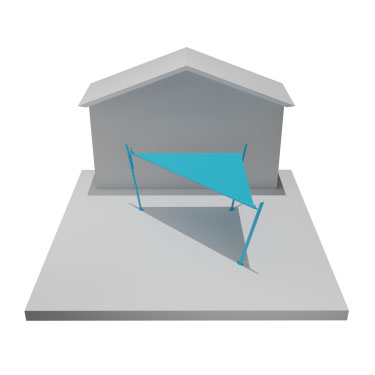
Configuration 1: 3 poles
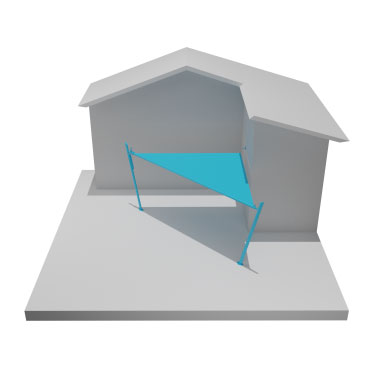
Configuration 2: 2 poles and 1 wall anchor
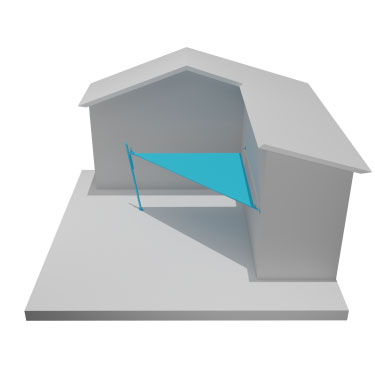
Configuration 3: 1 pole and 2 wall anchors
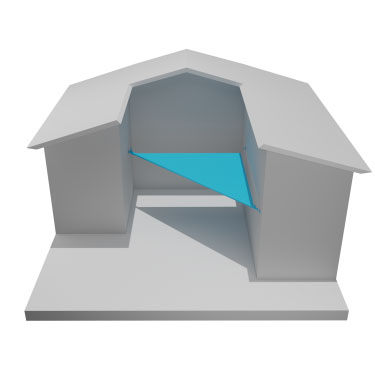
Configuration 4: 3 wall anchors
Square, Rectangular, or Trapezoidal Sail:
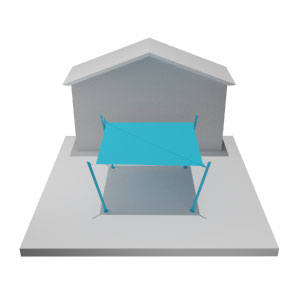
Configuration 5: 4 poles
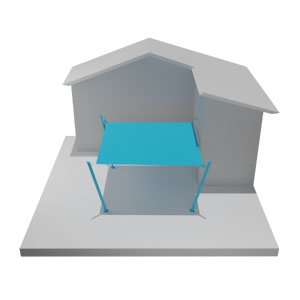
Configuration 6: 3 poles and 1 wall anchor
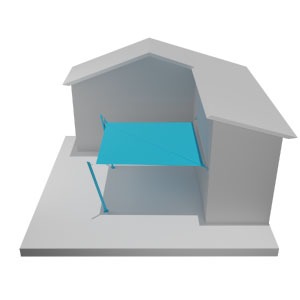
Configuration 7: 2 poles and 2 wall anchors
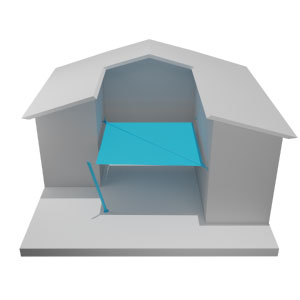
Configuration 8: 1 pole and 3 wall anchors
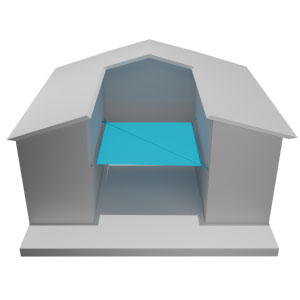
Configuration 9: 4 wall anchors
If you're still unsure about the best configuration for your space, contact us here.
Accurate measurement is essential to ensure a quality installation.
In Phase 1, identify potential anchor points and measure the distances between them.
At this stage, measurements can have a tolerance of a few inches. The final measurements will be confirmed once the anchors are installed.
In Phase 2, once the anchors are in place, precise measurements must be taken.
IMPORTANT: All required measurements refer to the anchor points, not the actual fabric dimensions.
The system will automatically calculate the fabric dimensions.
PHASE 1: Use a rigid tape measure to measure the area where you plan to install the sail, considering any obstacles such as walls, trees, or other elements that may affect the installation.
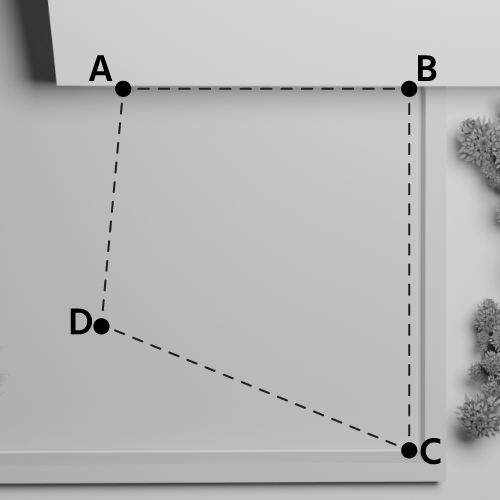
PHASE 2, use the measuring tape provided with the anchor shipment to measure angles and sail diagonals with great precision.
Measurements should always be taken from anchor point to anchor point.
IMPORTANT: If you decide to install the sail with an inclined winding roller, the actual distance between point A and point C will be greater than in a perfectly horizontal installation. This happens because tilting the roller increases its length compared to a parallel ground installation.
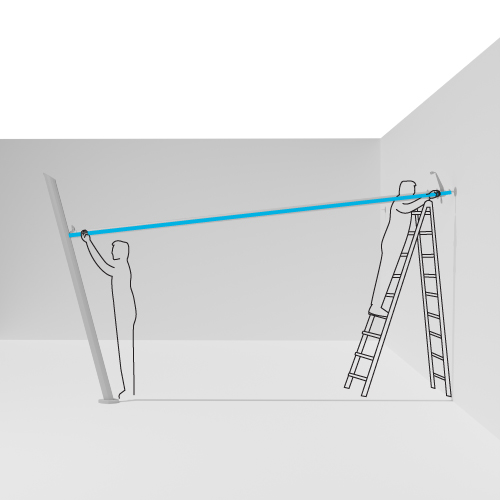
The AC side is conventionally referred to as the roller tube side.
In a quadrilateral (four-cornered sail), AC corresponds to the diagonal.
In a triangle (isosceles, scalene, equilateral), side AC corresponds to one of the sides.
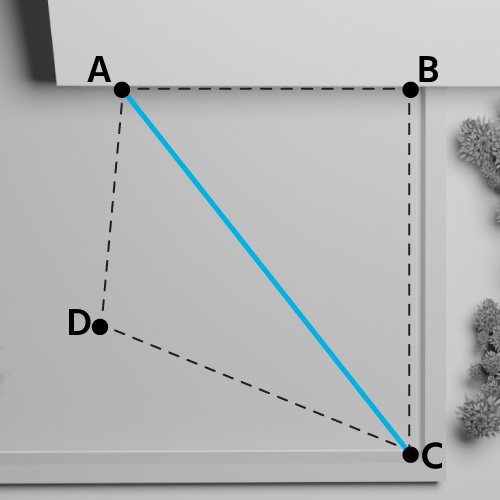
Example: Quadrilateral Shape
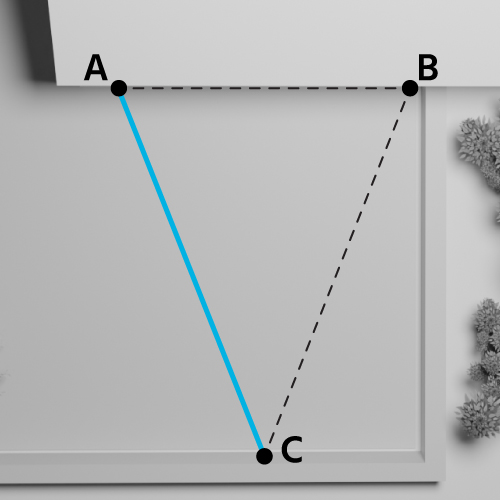
Example: Isosceles, Scalene, Equilateral Triangle
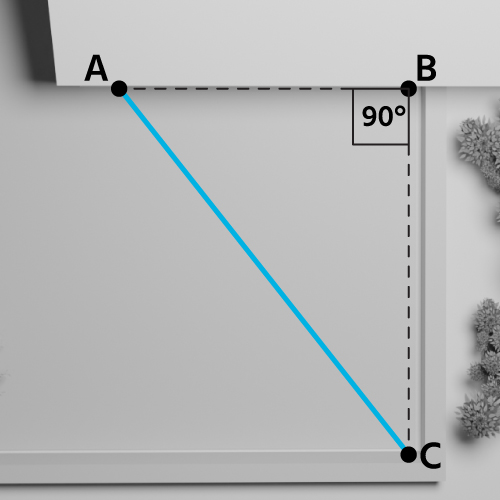
In a right triangle, side AC corresponds to the hypotenuse.
Example: Right Triangle Shape
IMPORTANT: See corner constraints for points A and C in the specifications at the bottom of the page.
Angle A is always where the motor is installed, serving as the main reference for configuring the sail.
Defining this corner first allows you to precisely determine the position of other anchor points, ensuring a correct and balanced installation.
Angle A should be the highest point of the boom.
The length of the roller tube (AC side) has a tolerance of 1 inch on each side. This measurement should be taken with great accuracy in PHASE 2, once the anchors are installed.
The roller tube can be inclined.
The maximum possible inclination for side AC is ±25% of the roller tube length.
Example:
If the roller tube (AC side) is 26 feet (312 inches) long
Maximum inclination = 312 / 100 x 25 = 78 inches
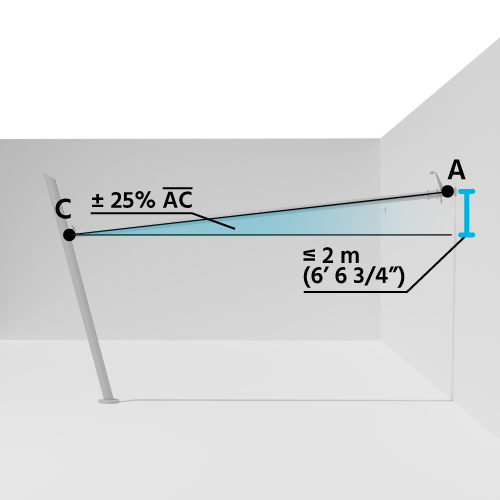
IMPORTANT: If you install the sail with an inclined roller tube, the actual distance between corner A and corner C will be greater than in a perfectly horizontal installation. This is because tilting the roller increases its length compared to a parallel ground installation.
TIP: We recommend NOT tilting the roller towards corner A, as this is where the motor is.
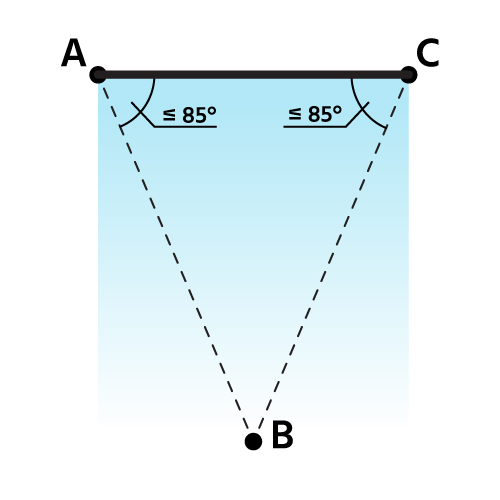
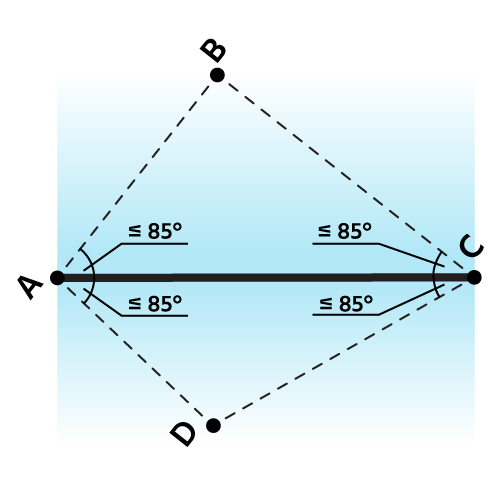
General Constraints
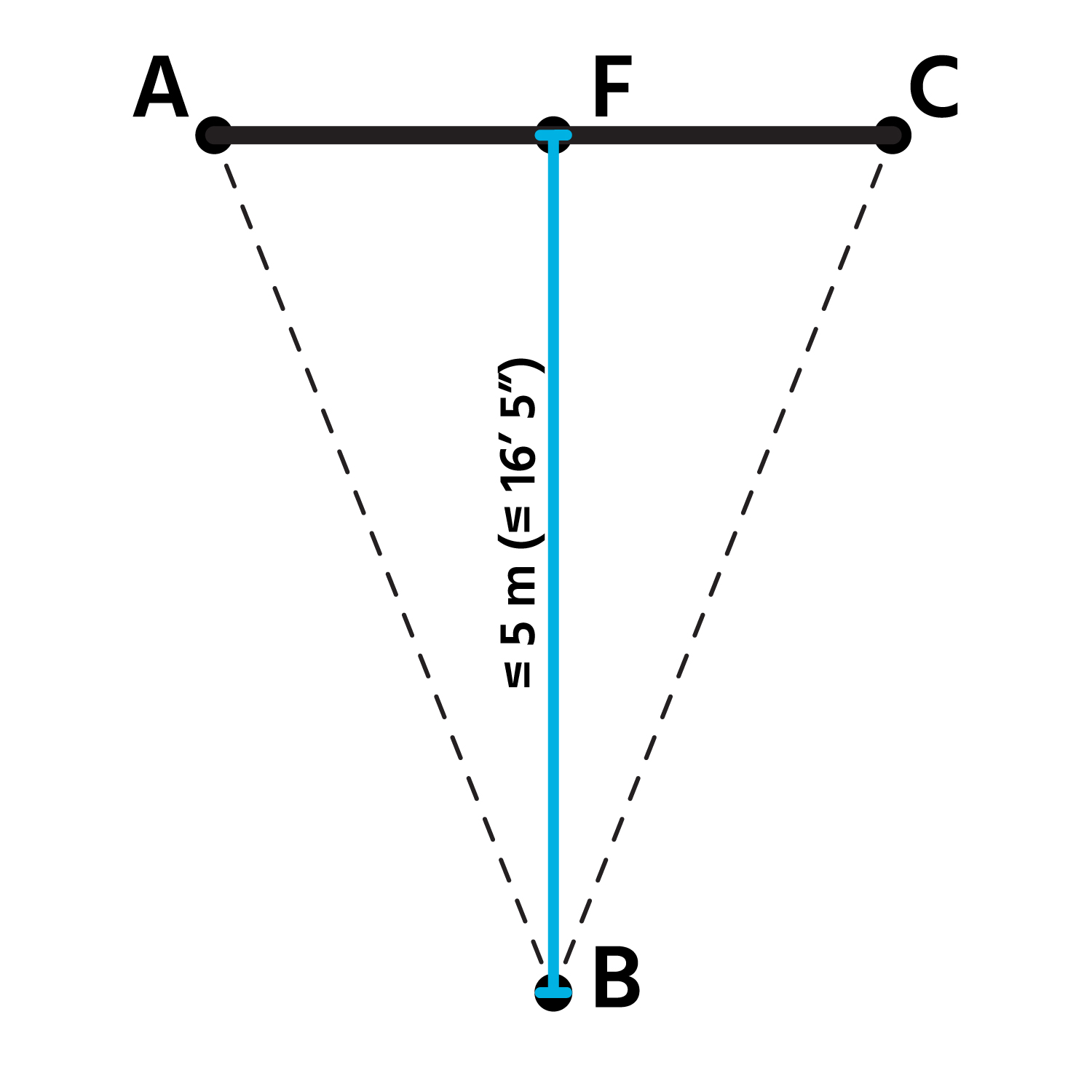
To ensure project feasibility, it is essential to respect some technical constraints when designing the motorized roll-up sail.
Special Constraints for Triangular Sails
Special Constraints for Quadrilateral Sails
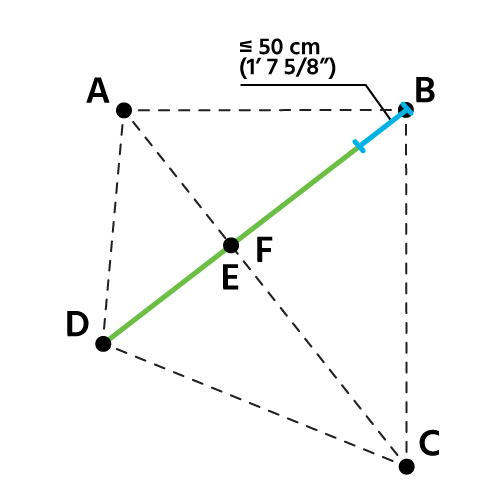
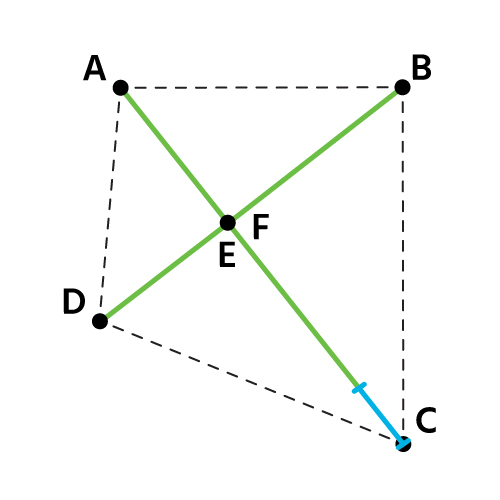
In Step 4, you can specify the details by choosing the type of anchoring and its color for each corner of the sail.
For your installation, you can choose from various anchoring options, from poles to wall plates.
Alu Simple poles, made of powder-coated aluminum, are resistant to salt and ensure optimal stability and durability. They are available in three versions:
Learn more with the Alu Simple product sheet, clicking here.
Wall plates allow you to create an anchoring point directly on the wall. They are made of 316 marine-grade stainless steel, an extremely durable material, perfect for marine or particularly humid environments.
The plates are available in two versions:
The poles are available in three finishes, designed to harmonize with different architectural and landscape contexts:
Wall plates are available in stainless steel.
WARNING: Side AC corresponds to the sail's diagonal and represents the roller tube. Ensure you correctly select the anchors for points A and C.
Important: The A corner always corresponds to the motor anchor and represents the starting point for defining the sail's configuration. It is important to start from this reference and, based on its position, determine the other anchors. This way, the installation will offer correct tensioning and perfect alignment of the sail.
If you have doubts or need technical advice on choosing your anchors, save your configuration and contact us via chat or form; our team will help you select the correct configuration.
Selecting the right fabric ensures maximum comfort and optimal protection based on your needs. Each material has unique characteristics that influence the user experience and resistance to weather conditions.
For a comprehensive overview of each fabric's characteristics, visit our dedicated section.
Problems with the configuration?
Contact us by filling out the form below
Would you like to be contacted by phone?
Fields marked with * are mandatory


 Custom shade sails
 Standard size sails
 Poles & anchors
 Outdoor roller shades
 Indoor roller shades
 Patio Umbrellas
 Pergolas & accessories
 Outdoor furniture
 Lighting
 Maanta accessories
 Buying guide
 Assembly guides
 Current promotions
 IT
IT DE
DE FR
FR ES
ES CZ
CZ NL
NL PL
PL US
US UK
UK AU
AU EU
EU CH
CH About us
 Help & contacts
 Project assistance
 Become a partner
 English (United States)